Unmasking Plumbing Myths: Debunking Common Misconceptions for Smarter Home Maintenance
By Total Care Plumbing Wed Jan 14 20267 minutes
Introduction: The Hidden Cost of Plumbing Misconceptions
Many homeowners unknowingly subscribe to outdated or incorrect beliefs about their plumbing systems. These myths can lead to costly repairs, wasted water, and even safety hazards. Understanding the truth behind common plumbing misconceptions is crucial for effective, long-term home maintenance.Top Plumbing Myths That Could Cost You
False assumptions about plumbing often result in avoidable damage or inefficiency. Let’s break down some of the most widespread myths and the facts behind them.- Lemons clean garbage disposals effectively.
- Flushable wipes are safe for all toilets.
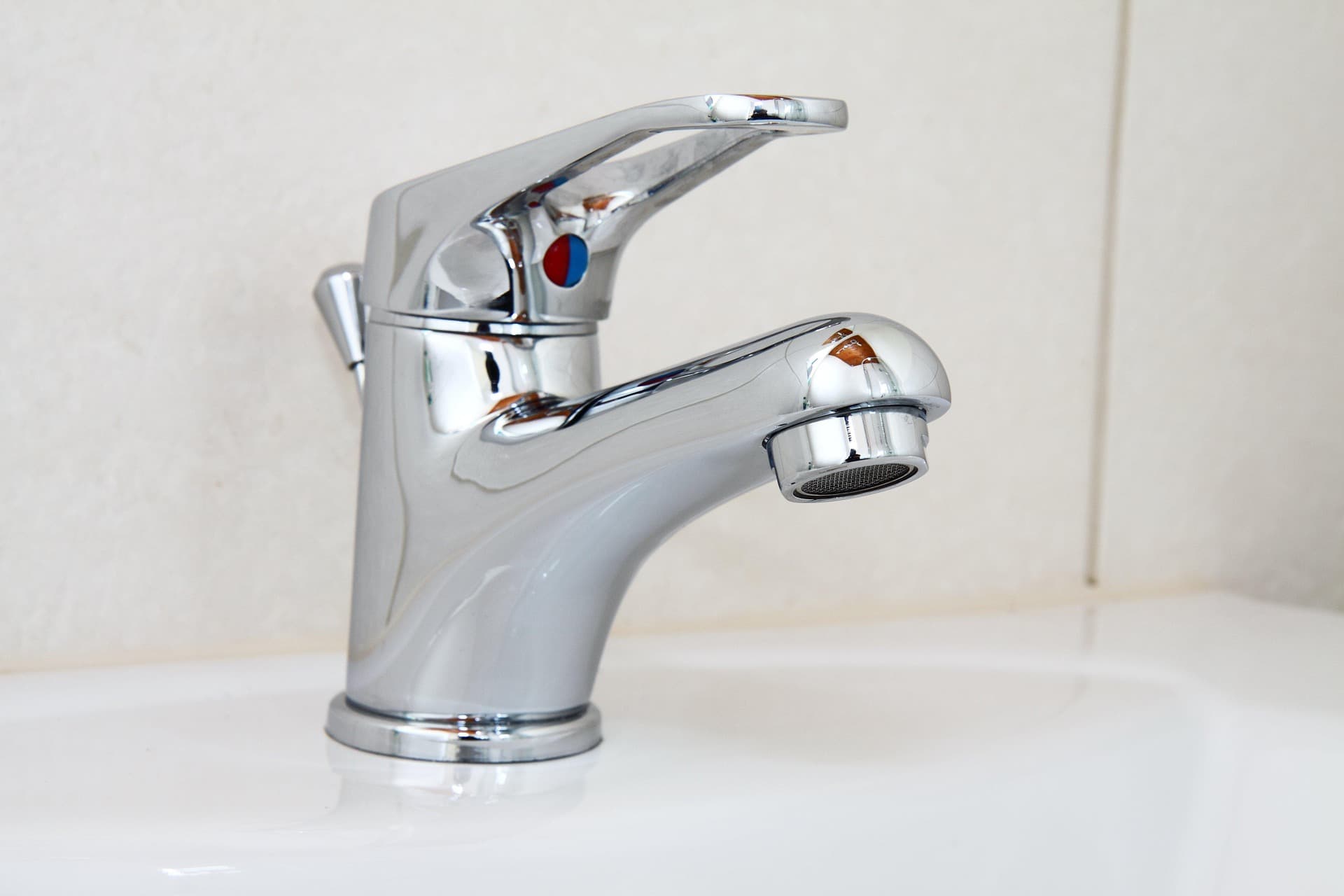
- A slow drip is harmless and not worth fixing.
- All plumbers offer the same level of expertise.
- Water heaters never need maintenance until they break.
“An informed homeowner is the first line of defense against unnecessary plumbing expenses.”
Why Believing Myths Can Harm Your Plumbing System
Acting on plumbing myths can cause more harm than good. For example, using lemons in your disposal might make it smell fresher, but the citric acid can corrode metal parts over time. Similarly, so-called 'flushable' wipes often lead to major blockages because they do not disintegrate like toilet paper.Facts vs. Fiction: A Quick Reference Table
| Myth | Reality |
| Lemons clean disposals | They can corrode metal parts |
| Flushable wipes are safe | They often cause clogs |
| Dripping taps are harmless | They waste water and money |
| All plumbers are equal | Expertise varies greatly |
| Water heaters need no maintenance | Regular flushing extends lifespan |
How to Spot and Avoid Plumbing Misinformation
Being proactive about your plumbing knowledge can prevent expensive mistakes. Always verify claims with reputable sources or consult a licensed plumber before attempting any DIY fix.- Check for credentials and reviews when hiring a plumber.
- Consult manufacturer guidelines for appliances.
- Join local home maintenance forums for peer advice.
- Attend community workshops on home systems.
- Follow trusted plumbing blogs and associations.
“Trust, but verify—especially when it comes to your home’s plumbing health.”