Unclogging the Truth: The Science and Strategy of Enzyme-Based Drain Cleaners
By Total Care Plumbing Sun Mar 29 20267 minutes
Why Traditional Drain Cleaners Fall Short
Many homeowners instinctively reach for chemical drain cleaners at the first sign of a clog, unaware of the hidden risks. These caustic solutions can corrode pipes, damage septic systems, and harm the environment. Over time, repeated use may even exacerbate blockages by creating stubborn residues that attract more debris.“Chemical drain cleaners offer a quick fix, but their long-term consequences can be costly for both your plumbing and the planet.”
The Enzyme-Based Alternative: How It Works
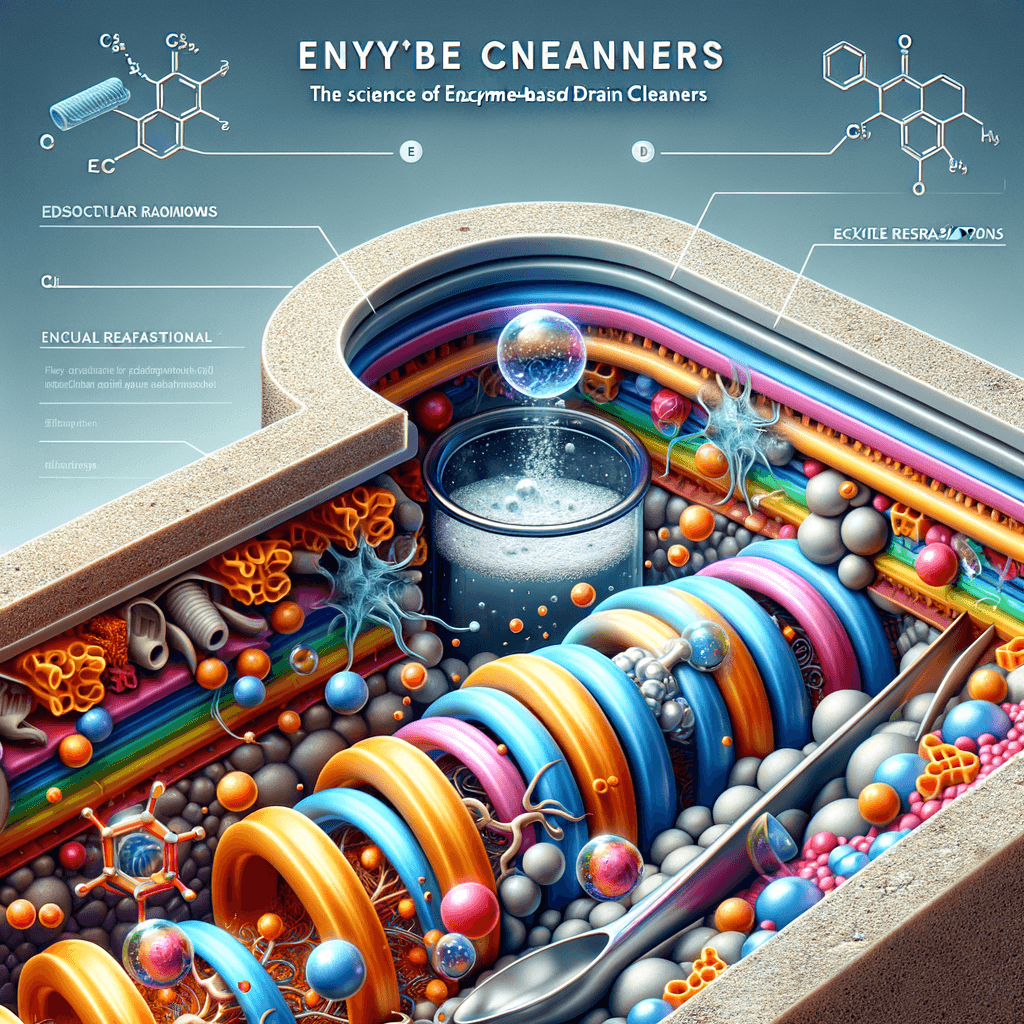
Enzyme-based drain cleaners utilize naturally occurring bacteria and enzymes to digest organic matter such as hair, soap scum, and food particles. Unlike harsh chemicals, these biological agents break down blockages at a molecular level without generating heat or toxic fumes, making them safe for most plumbing systems.Key Benefits of Enzyme-Based Drain Cleaners
- Non-corrosive and safe for PVC, copper, and PEX pipes
- Environmentally responsible—biodegradable and non-toxic
- Effective at preventing recurring clogs by removing organic buildup
- Compatible with septic systems and greywater recycling setups
- No hazardous fumes, making them safer for indoor use
Comparing Drain Cleaner Types: Chemical vs. Enzyme-Based
Choosing the right drain cleaner depends on understanding the strengths and limitations of each type. The table below contrasts key factors to help you make an informed decision.| Feature | Chemical Cleaners | Enzyme-Based Cleaners |
| Pipe Safety | Potentially corrosive | Non-corrosive |
| Environmental Impact | Toxic residues | Biodegradable |
| Odor/Fumes | Harsh, irritating | Minimal |
| Effectiveness on Organic Clogs | Fast, but temporary | Slower, long-lasting |
| Septic System Safety | Can disrupt bacteria | Beneficial to bacteria |
Best Practices for Using Enzyme-Based Cleaners
To maximize the effectiveness of enzyme-based drain cleaners, consistency and patience are crucial. Unlike instant-acting chemicals, enzymes require time to digest blockages. Regular, preventive treatments are more effective than emergency applications.- Apply during periods of low water usage (e.g., overnight) for optimal results
- Use warm (not hot) water to activate enzymes without denaturing them
- Repeat applications as part of monthly maintenance, especially in kitchens and bathrooms
- Avoid mixing with chemical cleaners, which can neutralize enzyme activity
“Preventative maintenance with enzyme-based cleaners is the secret to clog-free plumbing and a healthier home environment.”