Rainwater Harvesting Integration: Plumbing Solutions for Sustainable Water Management
By Total Care Plumbing Fri Mar 20 20268 minutes
The Growing Importance of Rainwater Harvesting in Residential Plumbing
As water scarcity becomes a pressing concern in many regions, homeowners are seeking innovative ways to conserve water and reduce utility costs. Integrating rainwater harvesting systems into residential plumbing offers a sustainable solution that not only supports eco-friendly living but also provides resilience during droughts or municipal supply disruptions.“Every drop of rainwater you collect is a step toward greater water independence and environmental stewardship.”
Core Components of a Rainwater Harvesting Plumbing System
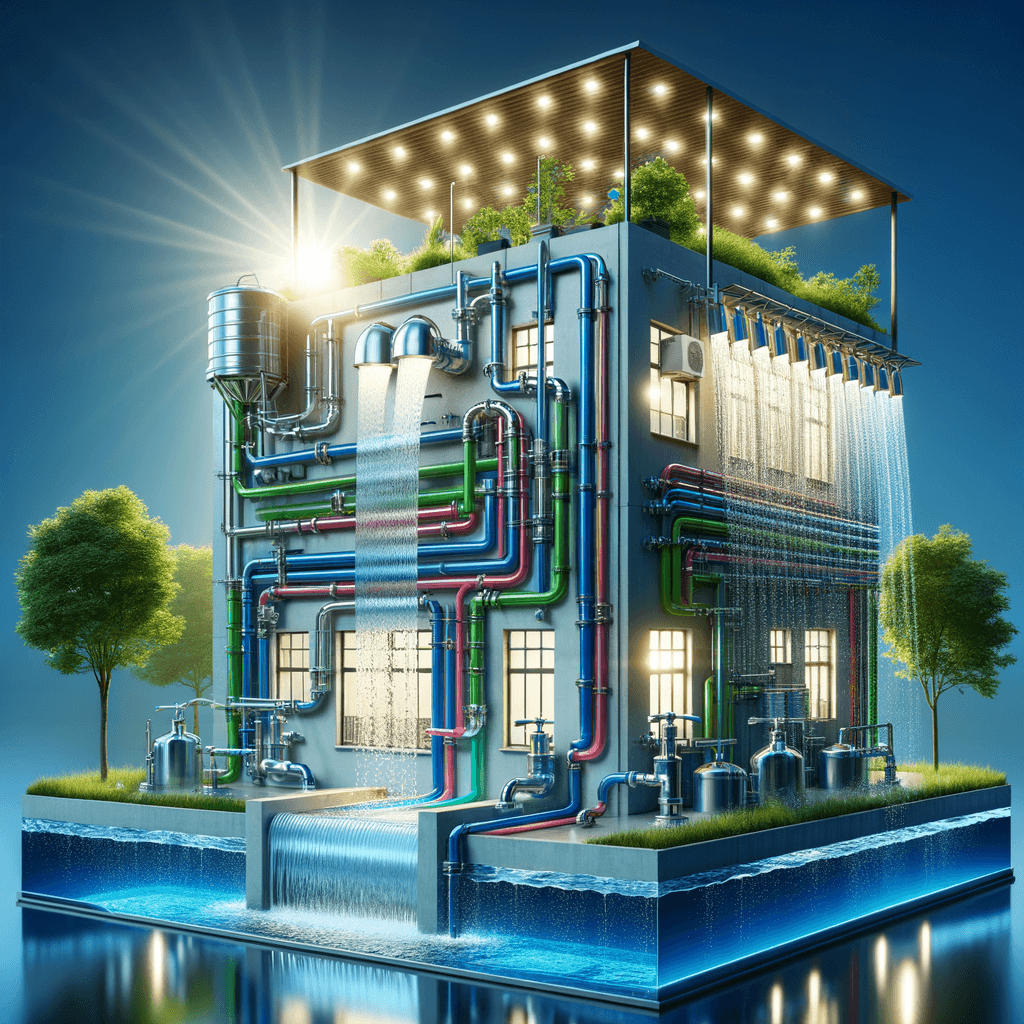
A properly designed rainwater harvesting system relies on several specialized plumbing components to ensure efficient collection, filtration, storage, and distribution. Understanding these elements is crucial for effective integration into existing or new homes.- Catchment surface (typically rooftops)
- Gutter and downspout network with debris screens
- First-flush diverter to discard initial contaminants
- Storage tank (above or below ground)
- Pre-filtration units and fine filters
- Dedicated supply lines for non-potable uses (toilets, irrigation, laundry)
- Backflow prevention devices to protect potable supply
Plumbing Integration: Key Considerations for Homeowners
Incorporating a rainwater harvesting system requires thoughtful planning to avoid cross-contamination and maximize utility. Plumbing codes may vary by region, so compliance and professional consultation are essential. Homeowners should consider the intended uses for harvested rainwater and design their systems accordingly.| Integration Aspect | Best Practice |
| Backflow Protection | Install double-check valves or air gaps |
| Distribution | Use color-coded piping for non-potable water |
| Tank Siting | Ensure stable base and access for maintenance |
| Filtration | Layer coarse and fine filters for optimal purity |
Maintenance Strategies for Long-Term Efficiency
Routine maintenance is vital to ensure that rainwater harvesting plumbing systems remain safe and efficient. Neglected systems can harbor biofilm, sediment, or pathogens, undermining water quality and system performance.- Clean gutters and debris screens quarterly
- Inspect and flush first-flush diverters after major storms
- Sanitize storage tanks annually
- Replace filters as per manufacturer guidelines
- Monitor for leaks or cross-connections
“A well-maintained rainwater system delivers sustainable benefits year after year.”
Benefits and Challenges of Rainwater Harvesting Plumbing
Integrating rainwater harvesting into your home’s plumbing offers numerous advantages, but it also presents unique challenges that must be addressed for optimal performance and compliance.- Reduced reliance on municipal water
- Lower water bills and utility costs
- Mitigation of stormwater runoff
- Potential eligibility for green building incentives
- Initial installation costs and plumbing complexity
- Ongoing maintenance requirements