Hydronic Radiant Floor Heating: Plumbing Design, Installation, and Maintenance
By Total Care Plumbing Sat Oct 18 20258 minutes
Introduction to Hydronic Radiant Floor Heating
Hydronic radiant floor heating systems are rapidly gaining popularity among homeowners seeking consistent warmth and energy efficiency. Unlike forced-air systems, hydronic setups circulate heated water through a network of pipes embedded beneath the floor, creating a gentle, even heat. For those considering an upgrade or new installation, understanding the plumbing intricacies is crucial for performance and long-term reliability.Key Plumbing Components of a Radiant Floor System
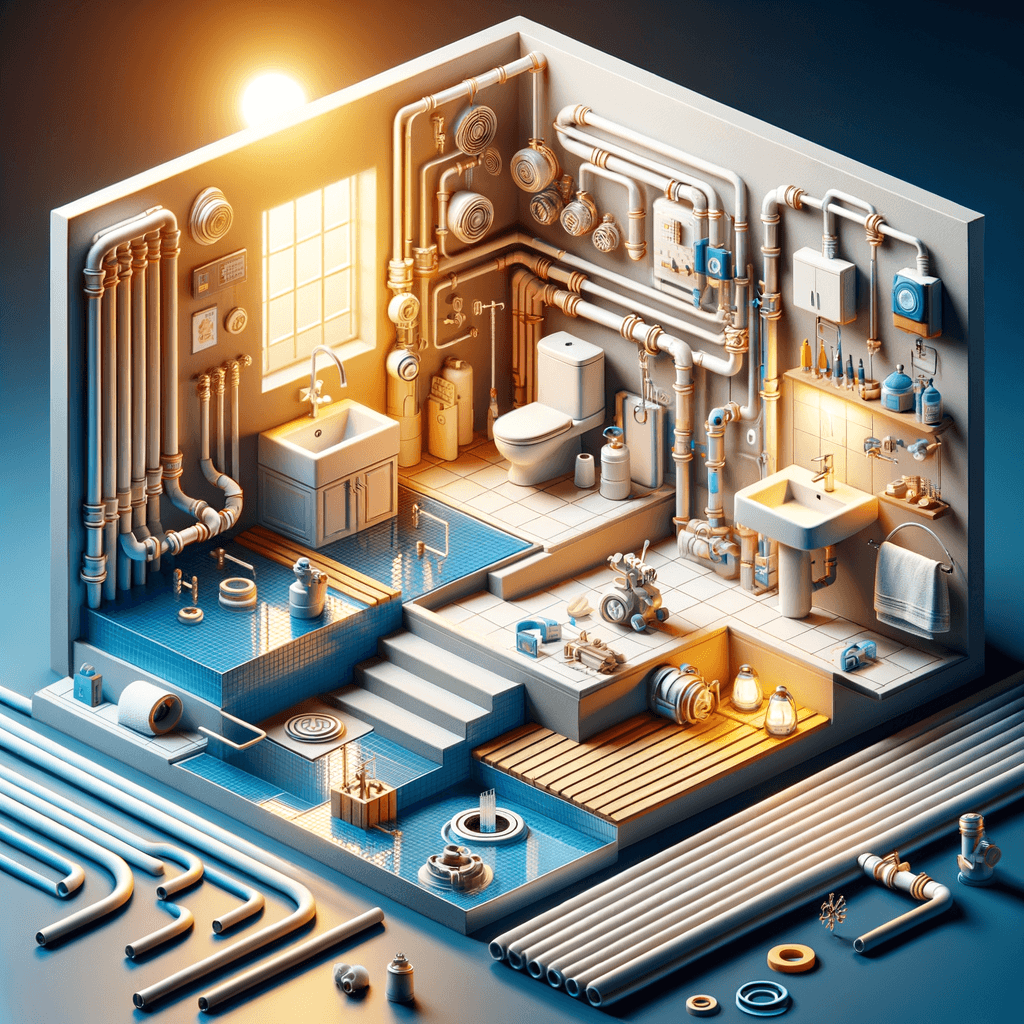
A well-designed hydronic radiant floor system relies on a precise arrangement of specialized plumbing components. Each element must be chosen and installed with care to ensure optimal heat distribution and prevent costly failures down the line.- Manifold assemblies for zone control and flow balancing
- Oxygen-barrier PEX or PE-RT tubing to prevent corrosion in metal parts
- Mixing valves for safe water temperature regulation
- Pressure relief valves and air separators to maintain system stability
- High-efficiency circulator pumps for consistent flow
Installation Best Practices: What Homeowners Should Know
The installation of radiant floor heating demands attention to detail, especially in the plumbing phase. From layout planning to securing tubing, each step influences system longevity and comfort.- Conduct a detailed heat loss calculation to determine tubing layout and spacing
- Install a vapor barrier and insulation layer to maximize upward heat transfer
- Use proper fasteners and spacing clips to secure tubing without kinks
- Pressure-test the entire system before covering with concrete or flooring
- Label and document manifold connections for easier future maintenance
“The success of any radiant heating project lies in meticulous preparation and adherence to plumbing best practices.”
Routine Maintenance: Ensuring Longevity and Efficiency
Even the most expertly installed hydronic radiant floor system requires periodic maintenance. Neglecting routine checks can lead to uneven heating, reduced efficiency, or even system failure.- Inspect and clean manifolds annually to prevent sediment buildup
- Check for airlocks and bleed the system as needed
- Monitor water pressure and refill if levels drop below manufacturer recommendations
- Schedule professional inspections every 2-3 years for leak detection and system calibration
Comparing Radiant Floor Heating to Conventional Systems
Homeowners often wonder how hydronic radiant floor heating stacks up against traditional forced-air or baseboard systems. The differences in comfort, efficiency, and maintenance can be dramatic.| Feature | Hydronic Radiant Floor | Forced-Air | Baseboard |
| Comfort | Even, silent heat | Can be drafty, noisy | Localized, may create hot/cold spots |
| Energy Efficiency | High (low-temp operation) | Moderate | Moderate |
| Air Quality | No dust circulation | Can spread allergens | No dust circulation |
| Maintenance | Low (occasional checks) | Moderate (filters, ducts) | Low (clean radiators) |
Common Issues and How to Prevent Them
Awareness of potential pitfalls can save homeowners from costly repairs and discomfort. Proactive measures in the plumbing phase are the best defense against system failures.- Tubing leaks from poor installation or material defects
- Airlocks causing cold spots or uneven heating
- Corrosion in manifolds due to non-barrier tubing
- Improper flow rates leading to inefficient heating
“Prevention is always less expensive than repair, especially in systems concealed beneath finished flooring.”