Diagnosing and Resolving Slow Drains: Advanced Techniques Beyond Basic Unclogging
By Total Care Plumbing Fri Oct 17 20258 minutes
Why Do Drains Slow Down? Uncovering Root Causes
Slow drains are more than a minor annoyance—they often signal underlying plumbing issues that, if left untreated, can escalate into costly repairs. Homeowners frequently blame hair or grease, but the causes can be far more complex, ranging from biofilm accumulation to improper pipe grading.- Biofilm buildup from soap, bacteria, and organic matter
- Partial obstructions from foreign objects or mineral deposits
- Improper pipe slope causing sluggish flow
- Ventilation issues creating negative pressure in the drainage system
“A slow drain is your plumbing’s way of whispering for help before it starts shouting.”
Advanced Diagnostic Tools: Going Beyond the Plunger
When traditional plunging and chemical solutions fail, professional plumbers deploy advanced diagnostic tools to pinpoint the exact location and nature of slow drainage. These technologies provide visual confirmation and allow for targeted interventions, reducing guesswork and unnecessary pipe dismantling.- Video pipe inspection cameras for visualizing internal pipe conditions
- Electronic pipe locators to map underground or concealed lines
- Hydrostatic pressure tests to identify hidden leaks or blockages
Professional Solutions for Persistent Slow Drains
Persistent slow drains require more than DIY fixes. Plumbing professionals employ a range of specialized techniques to restore optimal flow and prevent recurring issues. Understanding these methods can empower homeowners to make informed decisions and avoid ineffective quick fixes.- Hydro jetting: High-pressure water jets to scour pipe interiors clean
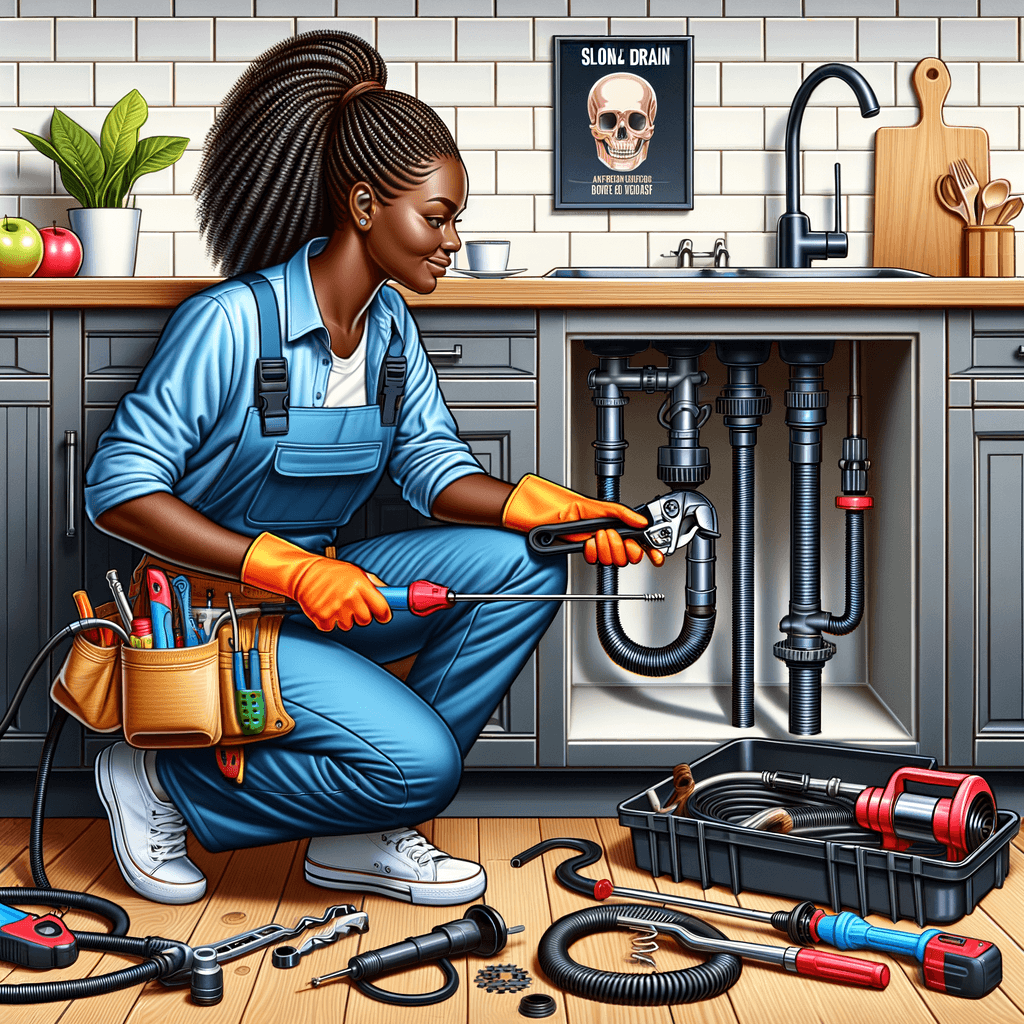
- Mechanical augering (drain snakes) for stubborn obstructions
- Bio-enzymatic drain treatments to dissolve organic buildup safely
“Hydro jetting is the gold standard for restoring pipes to like-new condition without harsh chemicals.”
Preventative Strategies to Maintain Free-Flowing Drains
Routine maintenance and mindful usage are key to preventing the gradual onset of slow drains. Adopting preventative strategies not only extends the lifespan of your plumbing but also saves you from emergency calls and water damage.- Install drain strainers to capture debris before it enters the pipes
- Schedule annual professional drain inspections
- Avoid disposing of grease, coffee grounds, and fibrous foods down sinks
- Flush drains with hot water and a mild enzymatic cleaner monthly
When to Call a Professional: Recognizing Red Flags
Not all slow drains are created equal. Certain warning signs indicate that the problem is beyond a simple fix and requires professional intervention. Ignoring these can lead to extensive water damage or even hazardous sewer backups.- Multiple slow drains in different areas of the home
- Recurring slowdowns despite repeated DIY efforts
- Unpleasant odors or gurgling sounds from drains
- Water backing up in sinks, tubs, or floor drains
“When slow drains become a pattern, it’s time to bring in an expert before the issue escalates.”