Decoding Water Heater Anode Rods: The Unsung Protector of Your Plumbing System
By Total Care Plumbing Thu Feb 26 20268 minutes
Understanding the Role of Anode Rods in Water Heaters
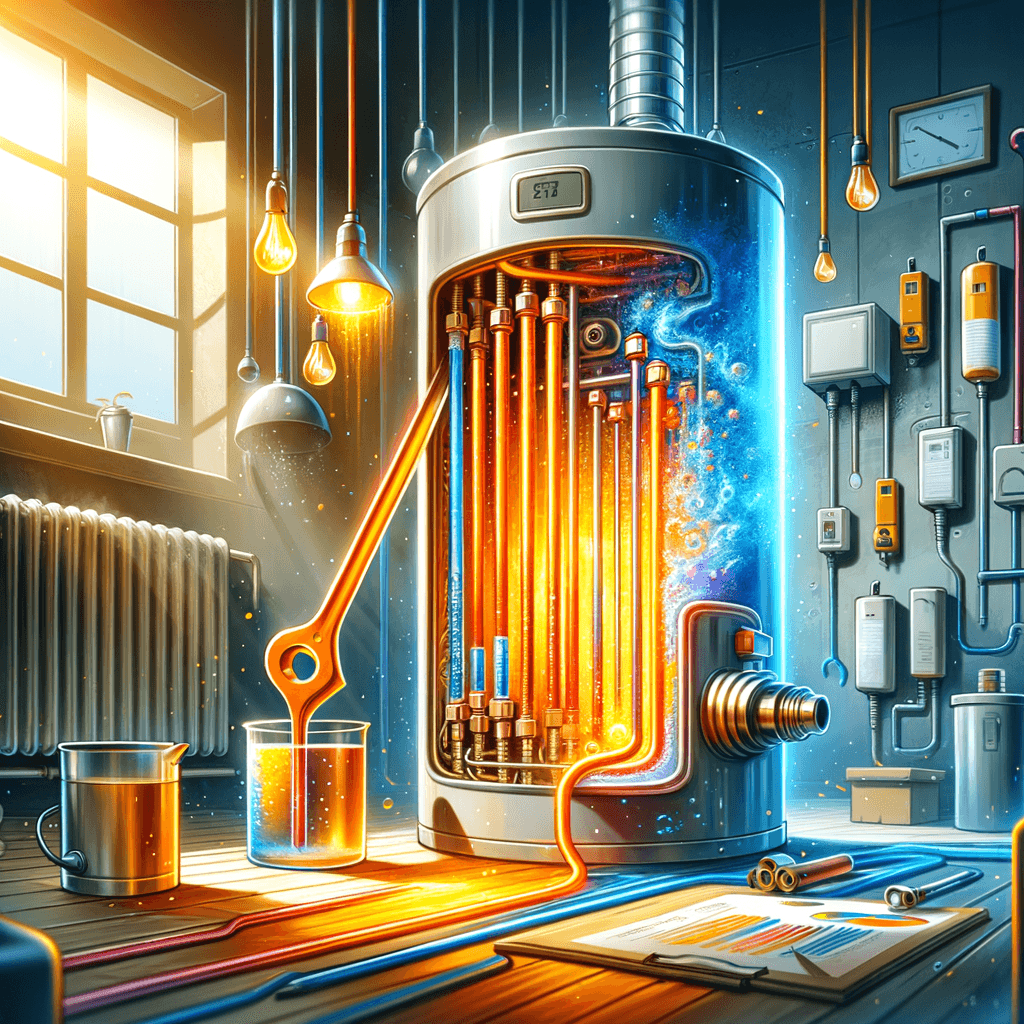
Anode rods are vital yet often overlooked components within water heaters. These sacrificial rods, typically made from magnesium, aluminum, or zinc, are designed to attract corrosive elements in the water, thereby protecting the tank’s steel lining from rust and premature failure. Without a functioning anode rod, water heaters become vulnerable to rapid corrosion, leaks, and costly replacements.“A well-maintained anode rod is your water heater’s first line of defense against corrosion, safeguarding your entire plumbing investment.”
Types of Anode Rods and Their Unique Benefits
Choosing the correct anode rod material is critical for optimal protection and water quality. Each type offers distinct advantages depending on water chemistry, heater usage, and homeowner priorities.- Magnesium Anode Rods: Offer superior protection and are ideal for homes with soft water, but may deplete faster.
- Aluminum Anode Rods: Last longer in aggressive water conditions, often chosen for areas with hard or softened water.
- Zinc Alloy Anode Rods: Reduce sulfur odors (rotten egg smell) and are effective in combating bacteria-induced corrosion.
| Type | Best For | Key Benefit |
| Magnesium | Soft water | Superior corrosion protection |
| Aluminum | Hard/softened water | Longer lifespan |
| Zinc Alloy | Odor issues | Sulfur odor reduction |
Recognizing Signs of Anode Rod Failure
Many homeowners remain unaware of anode rod deterioration until major water heater issues arise. Early detection is crucial to prevent tank damage and ensure uninterrupted hot water supply.- Discolored or foul-smelling hot water, especially a sulfur or rotten egg odor.
- Metallic taste in hot water.
- Visible rust particles or cloudy water from hot taps.
- Unusual popping or rumbling noises from the tank.
- Leaking around the water heater base.
Step-by-Step Guide to Inspecting and Replacing Anode Rods
Routine inspection and timely replacement of anode rods can double or even triple the lifespan of your water heater. While many neglect this task, it is both cost-effective and manageable for most homeowners with basic tools.- Turn off the power (electric) or gas supply to the water heater.
- Close the cold water inlet and relieve tank pressure by opening a hot water tap.
- Locate and unscrew the anode rod (usually at the top of the tank).
- Examine the rod: if it’s less than ½ inch thick, heavily corroded, or coated with calcium, it needs replacement.
- Install a new, compatible anode rod and restore power/water supply.
Proactive Maintenance: Maximizing Water Heater Longevity
Preventative maintenance of anode rods is a smart investment that pays dividends in reduced repair costs and extended appliance life. Integrating this check into your annual plumbing routine can help you avoid unexpected breakdowns and water damage.“Preventing corrosion is always more cost-effective than repairing its consequences—regular anode rod checks are a cornerstone of smart homeownership.”
Emerging Trends: Powered Anode Rods and Advanced Materials
Innovations in water heater technology are introducing powered anode rods that use electrical currents to provide corrosion protection without being consumed. These systems are ideal for households seeking longer-lasting solutions and reduced maintenance demands.- Powered (impressed current) anode rods: Provide consistent protection, ideal for homes with aggressive water chemistry.
- Hybrid rods with advanced alloys: Offer targeted protection for specialty tanks or unique water quality issues.