Dealing with Tree Root Intrusion: Protecting Your Sewer Lines from Underground Invaders
By Total Care Plumbing Tue Mar 10 20267 minutes
Understanding Tree Root Intrusion in Sewer Lines
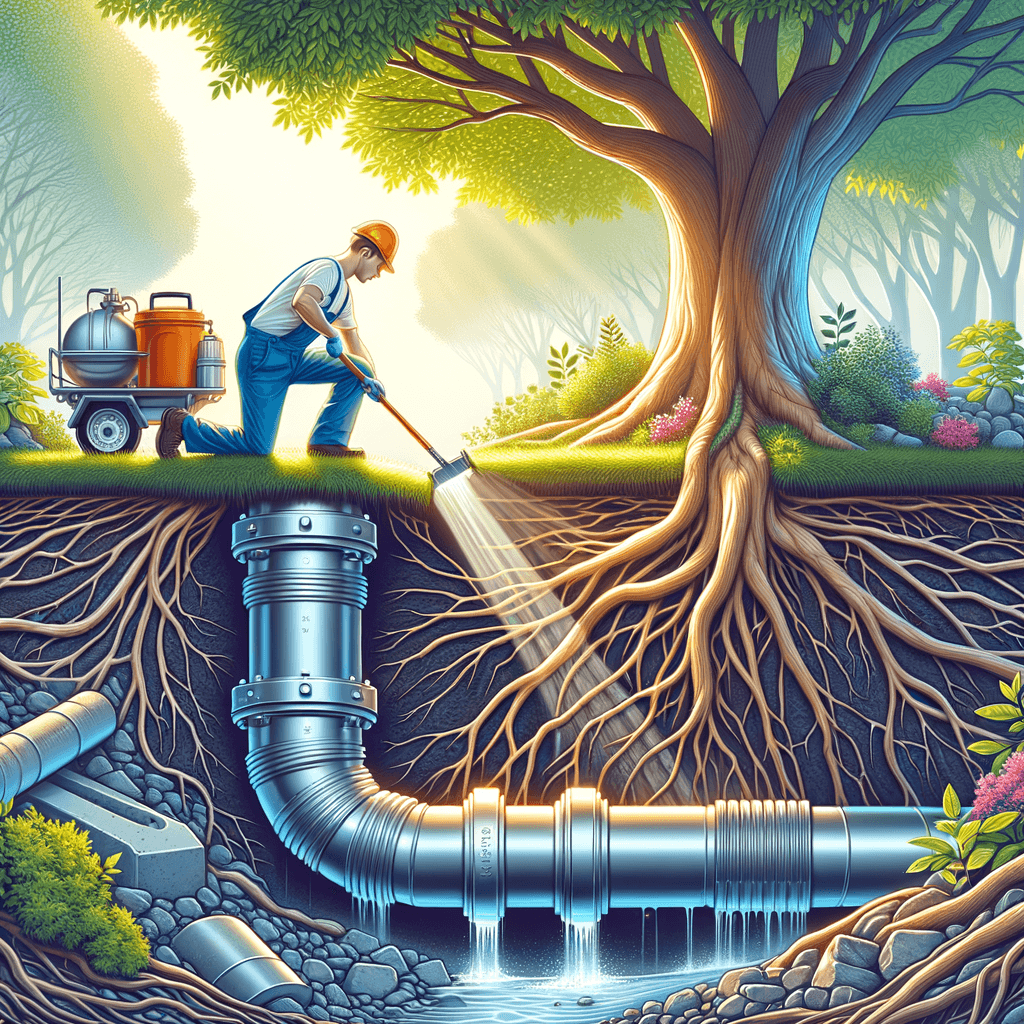
Tree root intrusion is a persistent and costly problem for homeowners, often going unnoticed until significant damage occurs. Roots naturally seek moisture, and aging or compromised sewer pipes become prime targets. Once inside, roots can rapidly expand, causing blockages, slow drains, and even complete pipe collapse.“The health of your sewer line is only as strong as its weakest joint—tree roots exploit every vulnerability.”
Early Warning Signs of Root Intrusion
Recognizing early indicators of root intrusion can save you from major plumbing disasters. Homeowners often overlook subtle symptoms, mistaking them for minor clogs or routine slowdowns.- Recurring slow drains throughout the house
- Gurgling noises from toilets or floor drains
- Unpleasant sewage odors in the yard or basement
- Unexplained patches of lush, green grass above sewer lines
- Frequent need to plunge or snake main drains
Preventative Strategies to Safeguard Your Sewer Lines
Proactive measures can minimize the risk of tree root intrusion and extend the lifespan of your sewer infrastructure. Modern solutions blend traditional landscaping wisdom with advanced plumbing technology.- Plant trees and shrubs at least 10-20 feet away from sewer lines
- Choose slow-growing, less invasive species for landscaping near pipes
- Schedule annual sewer camera inspections to detect early root growth
- Install root barriers made of metal or specialized plastic between trees and pipes
- Regularly maintain and repair small pipe cracks before roots can exploit them
Effective Removal and Remediation Techniques
If roots have already infiltrated your sewer lines, swift intervention is crucial. There are several removal and repair options, each with its benefits and limitations. Consult a licensed plumber to determine the most suitable approach for your situation.- Mechanical augering (roto-rooting) to physically cut and remove roots
- Chemical root inhibitors that discourage regrowth without harming trees
- Hydro jetting to clear out root masses and accumulated debris
- Pipe relining or bursting for severely damaged sections
“The right removal method depends on both the extent of intrusion and the overall health of your sewer system.”
Comparing Pipe Materials: Which Resist Roots Best?
The material of your sewer pipes plays a pivotal role in their vulnerability to root intrusion. Modern materials offer greater resistance, but many homes still rely on older, porous pipes.| Pipe Material | Root Resistance | Typical Lifespan |
| Clay | Low | 50-60 years |
| Cast Iron | Moderate | 50-75 years |
| PVC | High | 75-100 years |
| HDPE | Very High | 100+ years |
Long-Term Solutions and Professional Guidance
Addressing tree root intrusion is not a one-time fix. Ongoing maintenance, professional inspections, and strategic landscaping choices are essential for sustained protection. Building a relationship with a trusted plumbing expert ensures you’re prepared for both routine care and unexpected emergencies.“An ounce of prevention is worth a pound of cure—especially when it comes to underground plumbing.”